Jerome Dotson Is Building the Infrastructure Independent Music Has Been Missing
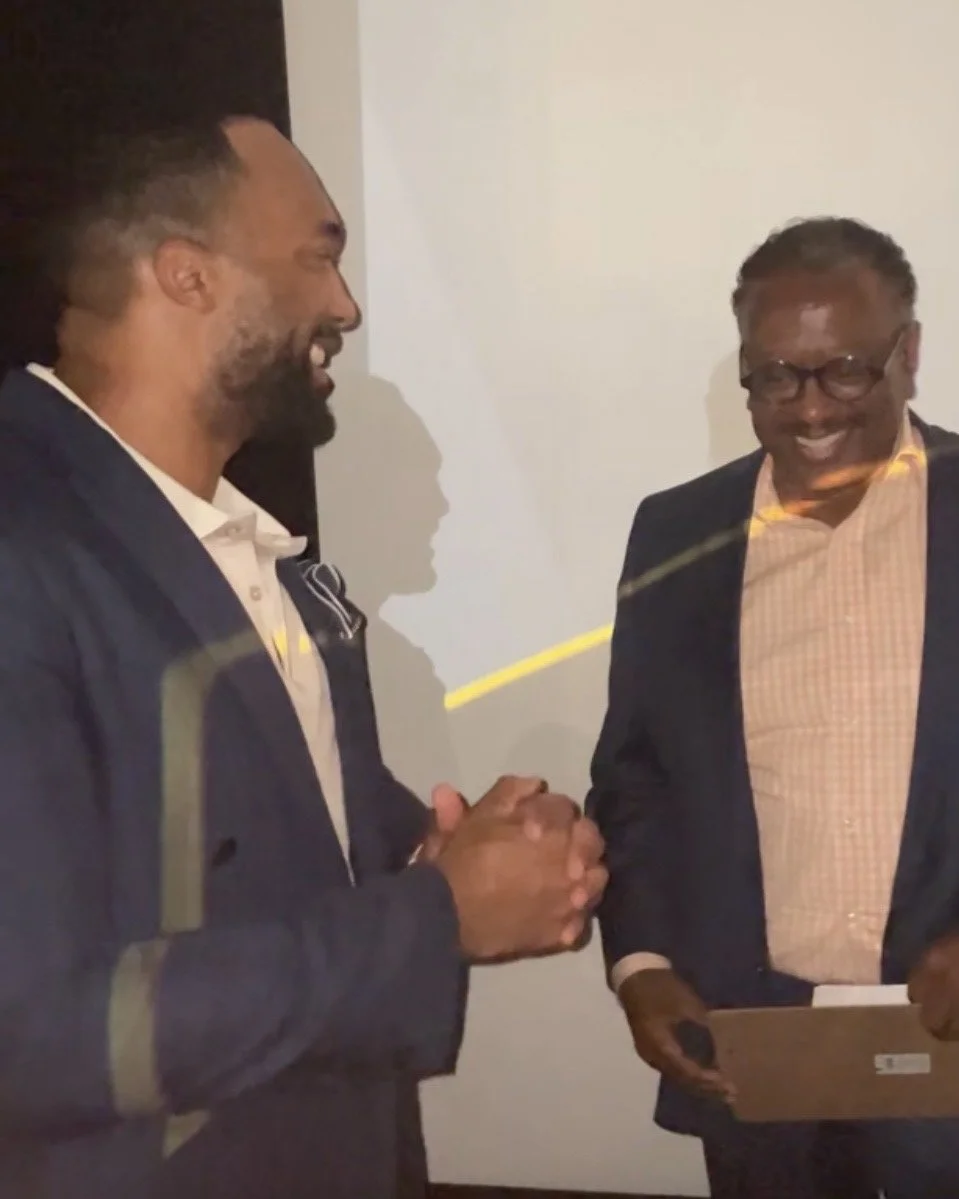
Jerome Dotson Jr.
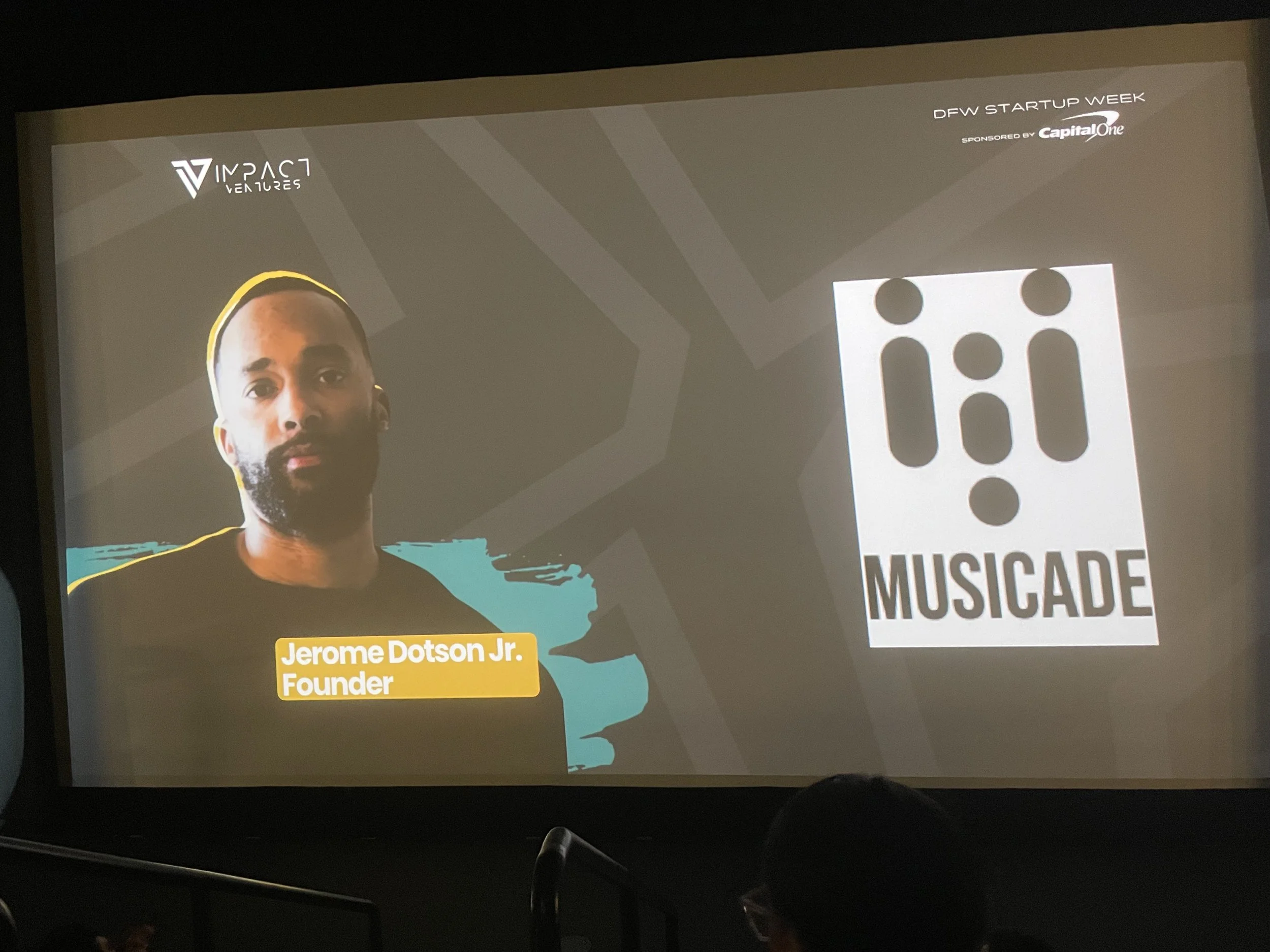
Jerome Dotson Jr. pitching at Impact Ventures DFW Startup Week first Pitch Competition
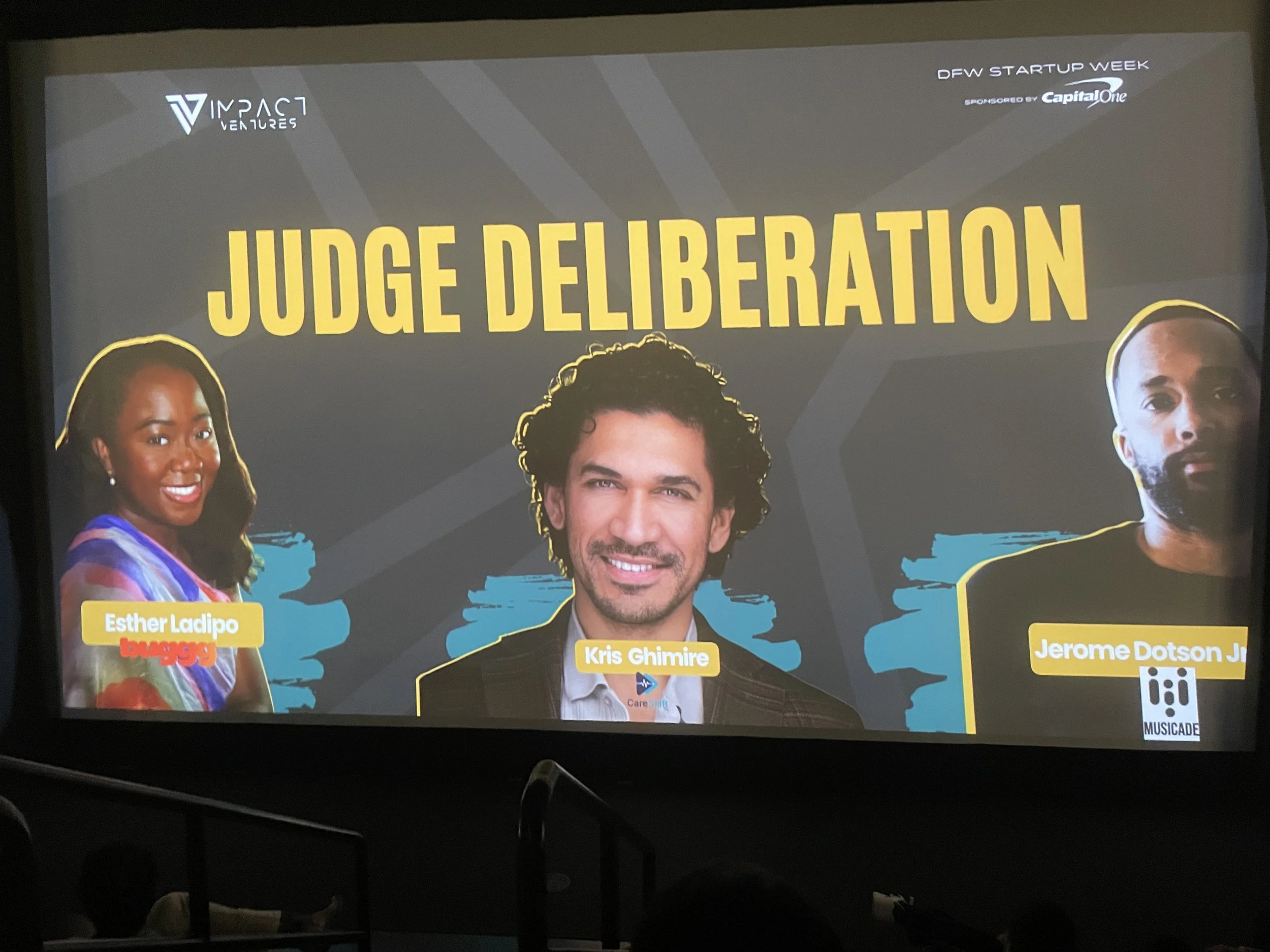
Impact Ventures and DFW Startup Week Judge Deliberation
The Musicade founder emerged as one of three founders selected from 100 applicants to pitch during DFW Startup Week: making a case not simply for another music-tech platform, but for the infrastructure independent artists increasingly need.
By theFstate Magazine
There is a difference between making it easier to create music and making it easier to build a sustainable career around it.
The first problem is rapidly being solved.
The second is where Jerome Dotson Jr. sees the opportunity.
As barriers to entry continue to fall across the music industry, independent artists can record, release, promote and distribute music with fewer traditional gatekeepers than previous generations. But access has created another problem: artists are often left navigating an increasingly fragmented ecosystem of platforms, venues, ticketing systems, payments, promotion and business operations.
More access does not automatically create more infrastructure.
That is the gap Dotson is attempting to close with Musicade.
And during DFW Startup Week in Dallas, Texas, the founder had an opportunity to make that case on a larger stage.
From 100 Founders to Three
According to Dotson, 100 founders applied to pitch during DFW Startup Week. Following a three-round selection process led by Impact Ventures, that field was narrowed to three entrepreneurs invited to pitch at the historic Texas Theatre in Dallas.
Dotson was one of them.
He also drew the first pitching slot.
There is something fitting about that position. Going first means there is no room to study the energy of the audience or adjust according to what happened before you.
You walk onto the stage cold.
Then you establish the standard.
For those familiar with Dotson’s work, the moment offered something particularly valuable: the opportunity to see a founder operating inside the environment his company has been preparing him for.
Not simply talking about Musicade.
Defending its necessity.
Musicade Is Addressing a Systems Problem
Dotson’s argument is grounded in approximately a decade of experience observing the independent music industry.
Artists can spend thousands of dollars moving a single project through its release cycle while simultaneously managing disconnected pieces of their careers.
Ticketing happens somewhere.
Venue booking happens somewhere else.
Promotion exists on another platform.
Payments, audience relationships and business operations can become separate workflows.
Each individual tool may work.
The larger system often does not.
Musicade is Dotson’s attempt to bring those moving parts closer together.
His pitch centered on building a more connected system for independent artists and the infrastructure necessary to support the platform as it grows.
That distinction matters because the next significant opportunity in music technology may not be another tool that helps people create.
It may be the system that helps creators operate.
The Independent Music Economy Has Changed
The democratization of music creation has been extraordinary.
A recording artist no longer necessarily needs access to a major studio, major label or traditional distribution infrastructure simply to release music into the world.
Technology has steadily reduced those barriers.
But lowering the barrier to participation does not eliminate the complexity of building a career.
In some ways, it increases it.
When institutions controlled access, they also controlled much of the infrastructure surrounding that access. Independent artists now have greater autonomy, but that autonomy comes with responsibilities once distributed across labels, managers, promoters, booking agents, venues, marketers and other industry professionals.
Artists are increasingly expected to behave like businesses.
That requires systems.
The lie is that because artists have more tools, they automatically have more infrastructure.
They do not.
Tools help people complete individual tasks.
Infrastructure connects those tasks into something capable of supporting growth.
That is the larger opportunity Musicade is pursuing.
The Judges Saw More Than an Idea
One of the most consequential moments came after Dotson left the stage.
According to Dotson, judges approached him following the pitch and specifically responded to Musicade’s numbers and projections. More importantly, he said they recognized genuine demand and potential market fit.
That response matters.
Startup competitions are filled with compelling ideas. The harder question is whether an idea solves a problem significant enough that people will actually use the solution.
For Musicade, some of that validation was already standing inside the building.
Dotson said existing Musicade users approached him during the event and described how they were currently using the product to run their events.
That may have been more important than anything displayed on a pitch deck.
A founder can explain a problem.
A customer proves the problem exists.
And when customers begin explaining how a product fits into their lives without being prompted to do so, the conversation moves from theory toward evidence.
Jerome Dotson Is Thinking Beyond the Release
What makes Dotson’s work worth watching is not simply that he has built technology for musicians.
It is the scale of the problem he appears to be thinking about.
Music has historically focused enormous attention on the visible moments: the song, the artist, the performance, the release and the audience.
But sustainable creative economies depend on what exists behind those moments.
Booking.
Ticketing.
Payments.
Relationships.
Data.
Operations.
Distribution.
Business infrastructure.
Those systems rarely receive the cultural attention of the artist standing underneath the lights, yet they frequently determine whether that artist can continue standing there.
Dotson is building behind the spotlight.
And that may be precisely where the next chapter of the independent music economy needs investment.
Dallas Is Becoming Part of the Music-Tech Conversation
There is another important part of this story: Dallas-Fort Worth.
Innovation conversations in music and technology are frequently concentrated around cities such as Los Angeles, New York, Nashville and increasingly Atlanta.
But North Texas has the talent, entrepreneurial ecosystem, cultural diversity and growing technology sector necessary to produce companies capable of participating in that conversation.
Organizations such as Impact Ventures and platforms such as DFW Startup Week create something essential to that ecosystem: proximity.
They place founders in rooms with investors, operators, customers, collaborators and other entrepreneurs capable of challenging an idea—and potentially accelerating it.
But proximity itself is not the opportunity.
What a founder has built before entering the room determines what can happen once the door opens.
Dotson arrived with something tangible.
Building for the Present. Thinking in Generations.
It would be easy to reduce Dotson’s DFW Startup Week appearance to a startup milestone.
One hundred applicants.
Three finalists.
One stage.
That is worth recognizing.
But the more important story is what happens after the applause.
Independent music does not need another promise that technology will democratize creativity. That transformation is already underway.
The next challenge is ensuring that independent creators have systems capable of supporting the freedom technology has given them.
Because access without infrastructure eventually becomes another form of limitation.
Jerome Dotson appears to understand that.
Musicade is being built for the artist trying to operate today, but the larger proposition reaches further: if independent creators are going to own more of their careers, they will need infrastructure designed around that independence.
That is bigger than helping someone release the next song.
It is about helping build an ecosystem in which the people creating culture have a stronger foundation beneath them.
Jerome Dotson is not simply asking where independent music is going.
He is building for what independent artists will need when they get there.