JUS10H Takes the Court at the Naismith Memorial Basketball Hall of Fame
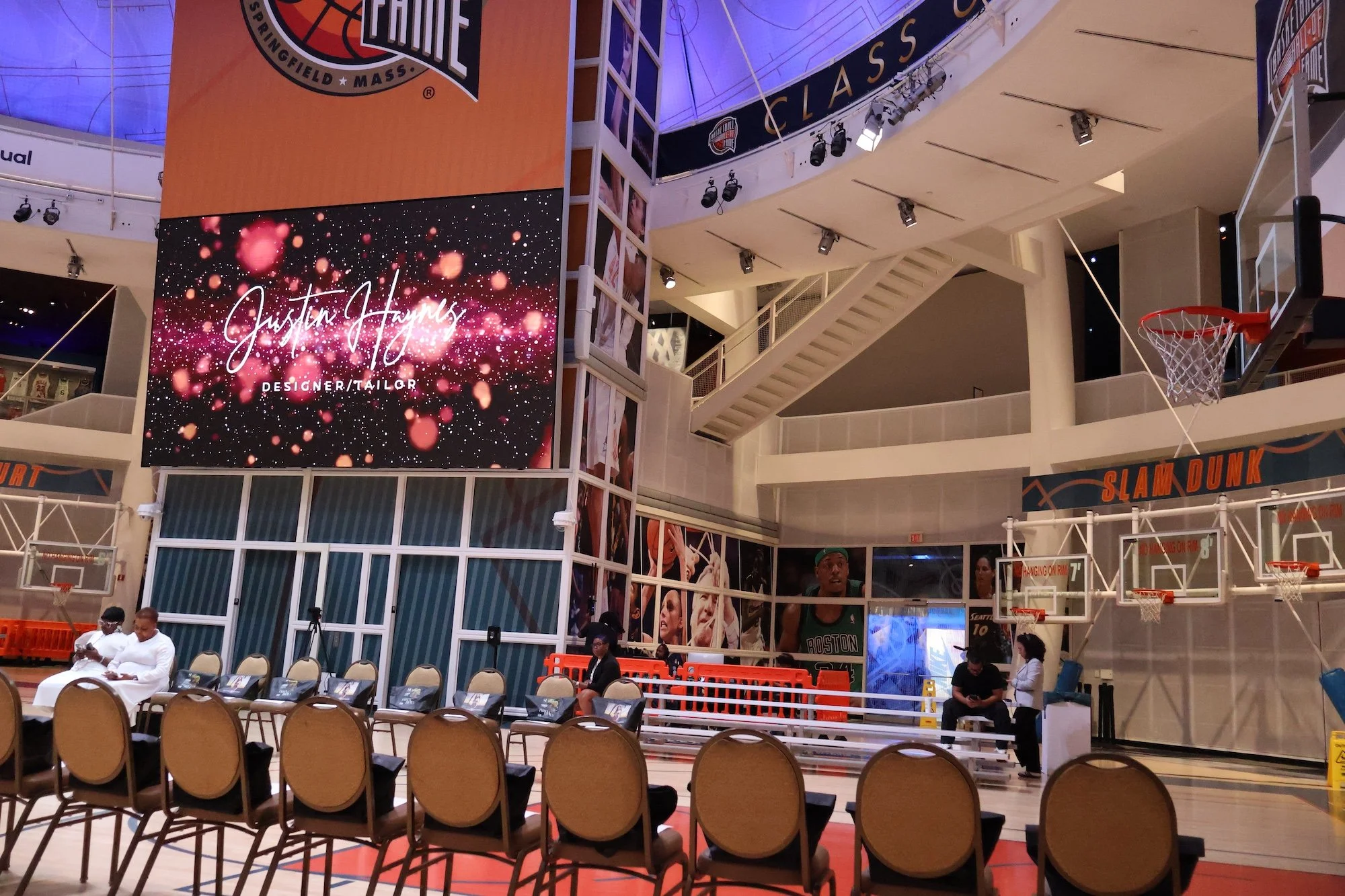
JUS10H Takes the Court at the Naismith Memorial Basketball Hall of Fame


Justin Haynes transformed a historic Springfield landmark into a runway connecting independent fashion, inclusive design, Japanese craftsmanship and American cultural history.
By The Fstate™ | September 2, 2026
On August 30, 2026, JUS10H Fashion Studio presented The Court Show at the Naismith Memorial Basketball Hall of Fame in Springfield, Massachusetts. Staged as a Tokyo Fashion Week livestream experience, the presentation placed Justin Haynes’ newest collection inside one of America’s most recognizable monuments to achievement.
The significance was clear.
JUS10H did more than stage a fashion show on a basketball court. The independent fashion brand used clothing, casting, sound and place to demonstrate that cultural history is not only something we inherit. It is something we continue to create.
Inside a venue built to preserve the people who changed basketball, Haynes made a case for independent designers who are changing fashion without waiting for traditional institutions to validate them.
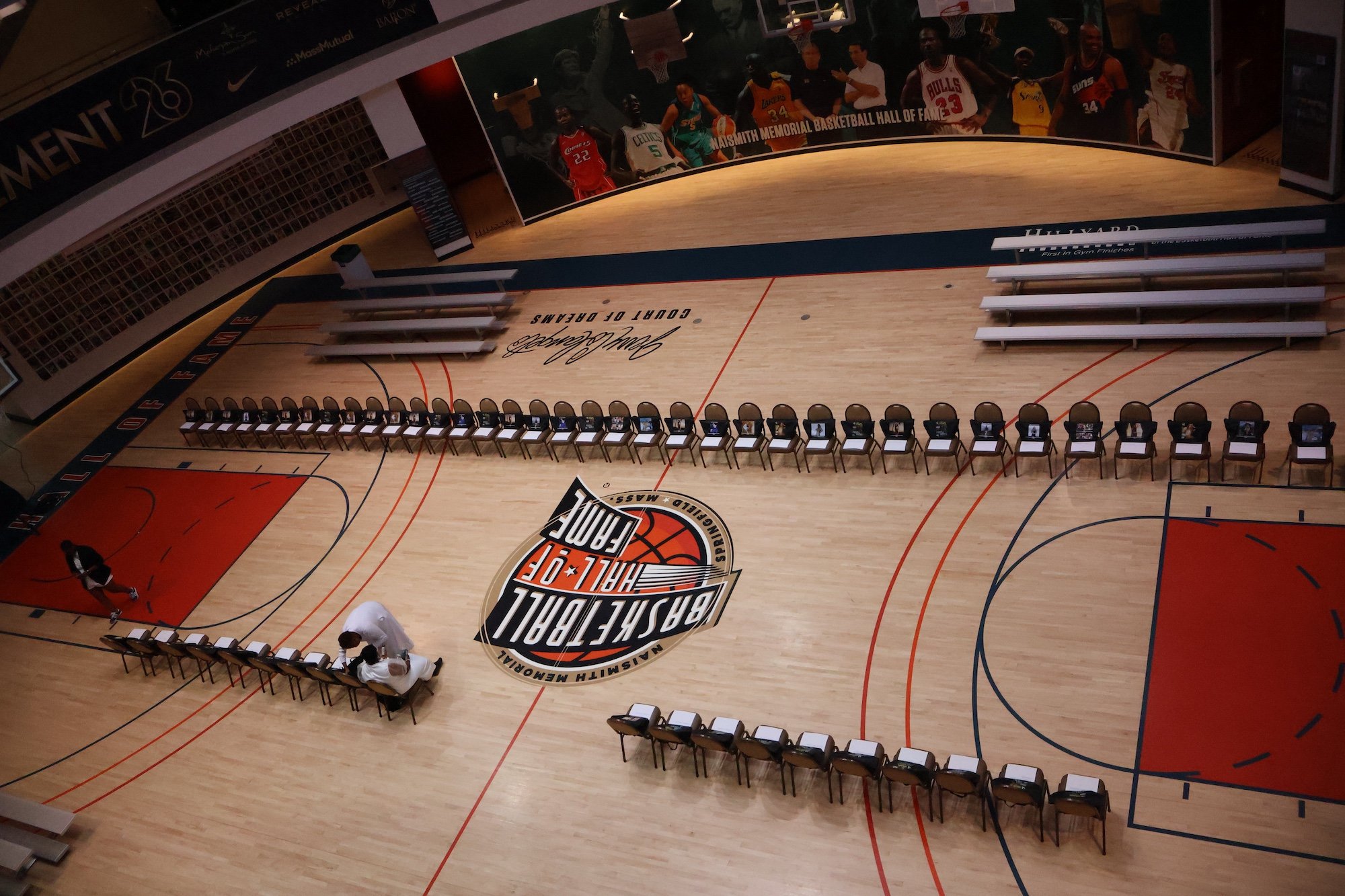
The court became the runway.
A full house of guests surrounded it.
Then JUS10H arrived.
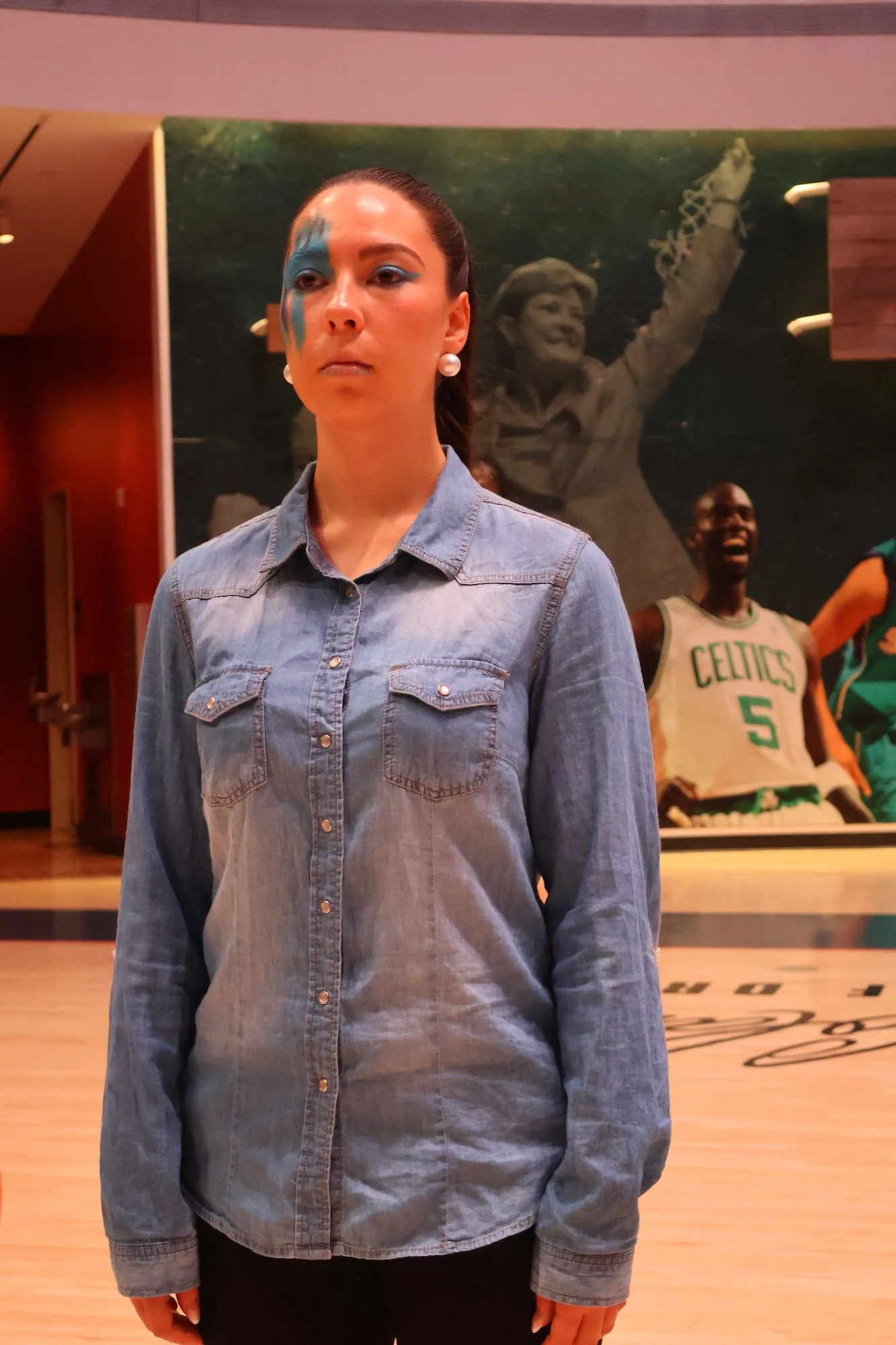
Why the Basketball Hall of Fame Mattered
The venue was not an interchangeable backdrop.
Founded in 1959, the Naismith Memorial Basketball Hall of Fame was created to preserve the legacy of Dr. James Naismith’s 1891 invention. Today, the Springfield institution contains approximately 40,000 square feet of basketball history and recognizes more than 450 inductees whose work shaped the game internationally. Naismith Memorial Basketball Hall of Fame
Its stated mission is to preserve the past, celebrate excellence and inspire future generations.
That language could also describe what unfolded during The Court Show.
Basketball and fashion have long shared cultural territory. Athletes influence style. Designers help shape the public identities of players. Sneakers move between athletic performance, street culture, luxury and personal expression. The court is simultaneously a competitive arena and a cultural stage.
Haynes understood that relationship.
Rather than bringing sports references into a conventional fashion venue, he brought fashion directly onto the court. The location gave the collection another layer of meaning: every model walked across a surface associated with performance, discipline, record-setting and arrival.
History surrounded the runway.
The future moved through its center.
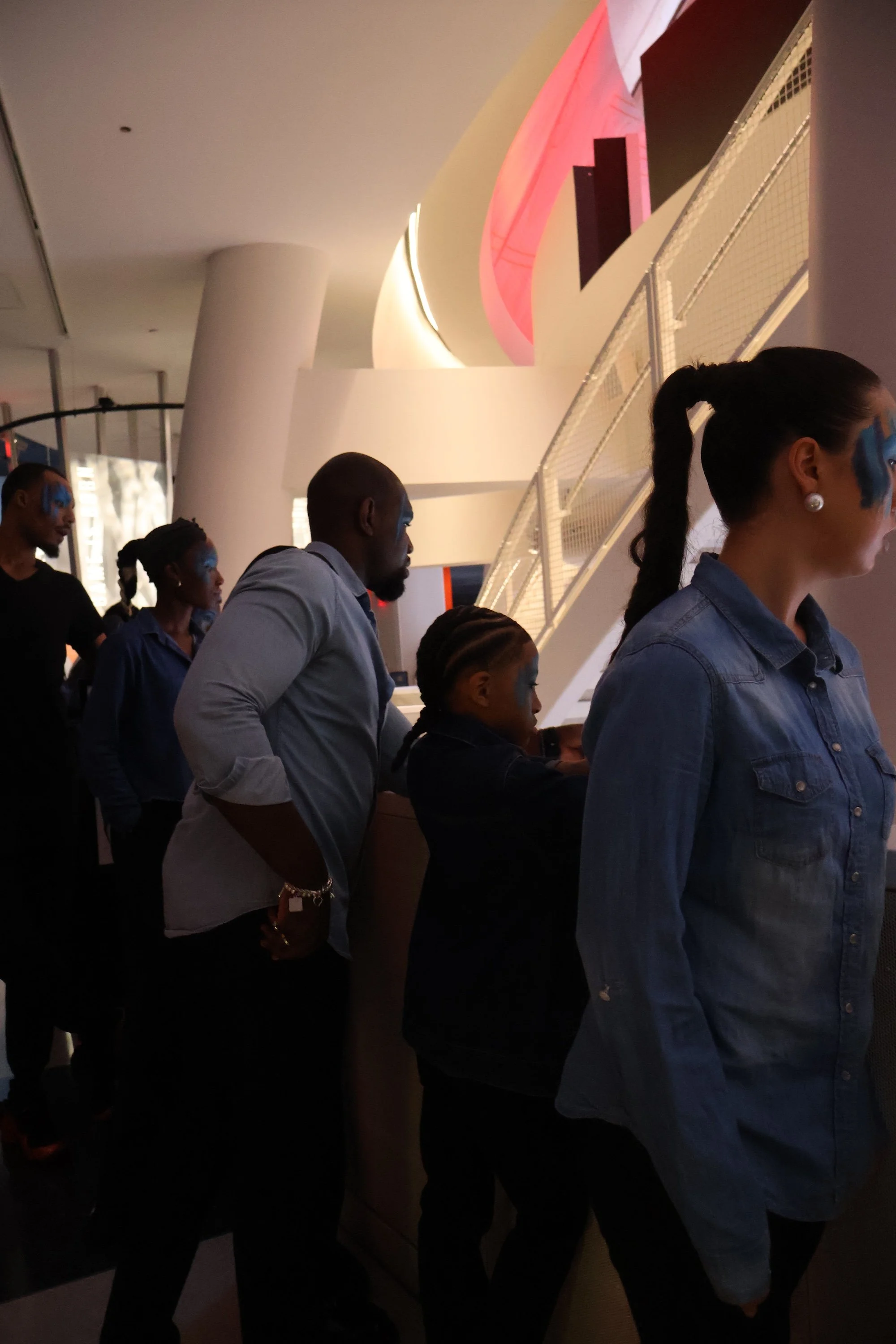
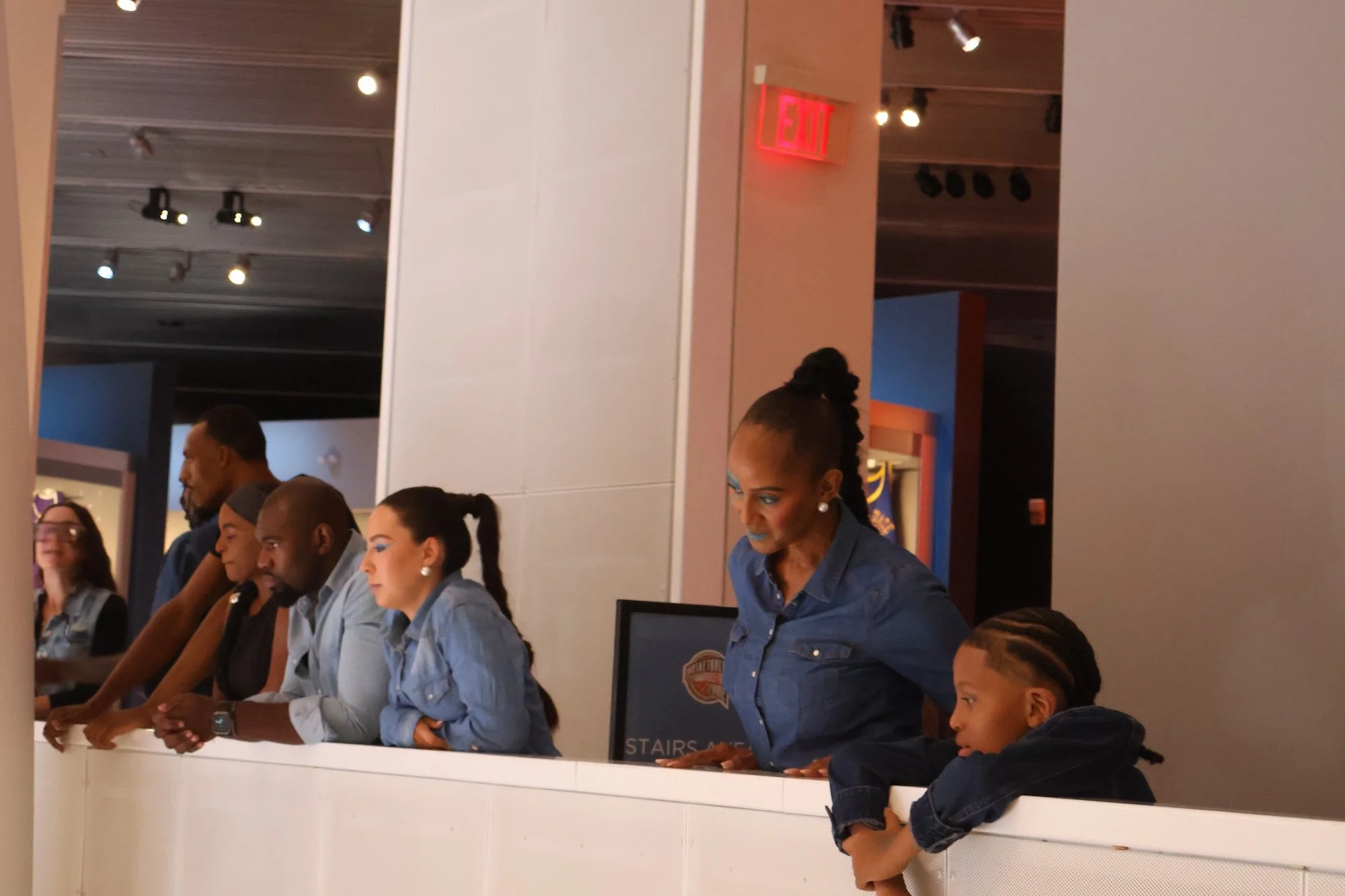
Japanese Denim Meets American Cultural Memory
The collection was constructed from Japanese denim and cotton, with selected materials receiving a wax treatment that created a subtle shine beneath the venue’s lighting.
The finish did not overwhelm the garments. It revealed itself through movement.
That restraint reflected the calculated quality of Haynes’ design language. His signature patchwork tailoring remained visible throughout the collection, allowing different textiles, shapes and visual histories to coexist without becoming chaotic.
Japanese denim carried particular cultural weight.
Denim originated as an American workwear material, but Japanese manufacturers transformed it through exacting production, textile knowledge and intense attention to detail. Okayama Prefecture’s official tourism organization identifies the Kojima district of Kurashiki as the birthplace of domestically produced Japanese jeans. The region’s textile history reaches back to cotton production during the Edo period and continues through its contemporary reputation as an international center for denim craftsmanship. Okayama Prefecture Official Tourism Guide
This makes Japanese denim an unusually powerful material for a collection concerned with cultural exchange.
It is American in origin, Japanese in refinement and global in meaning.
In Haynes’ hands, denim became evidence of what happens when one culture encounters another, studies the material deeply and creates something distinct. The exchange is not a straight line. It contains difficult historical chapters, economic relationships, reinterpretation and renewal.
The Court Show did not attempt to explain the entire relationship between Japan and the United States through clothing. That would be too broad a claim for any single collection.
Instead, it allowed the material to carry the conversation.
Japanese denim entered an American hall of achievement through the work of a Black independent designer from Springfield. That convergence made the presentation culturally specific while remaining internationally legible.
A Collection Built Through Contrast
The new JUS10H collection relied on contrast without losing coherence.
Waxed surfaces met softer cotton. Patchwork construction met controlled tailoring. Sports footwear met elevated silhouettes. Historic surroundings met contemporary styling. Japanese material heritage met an American athletic institution.
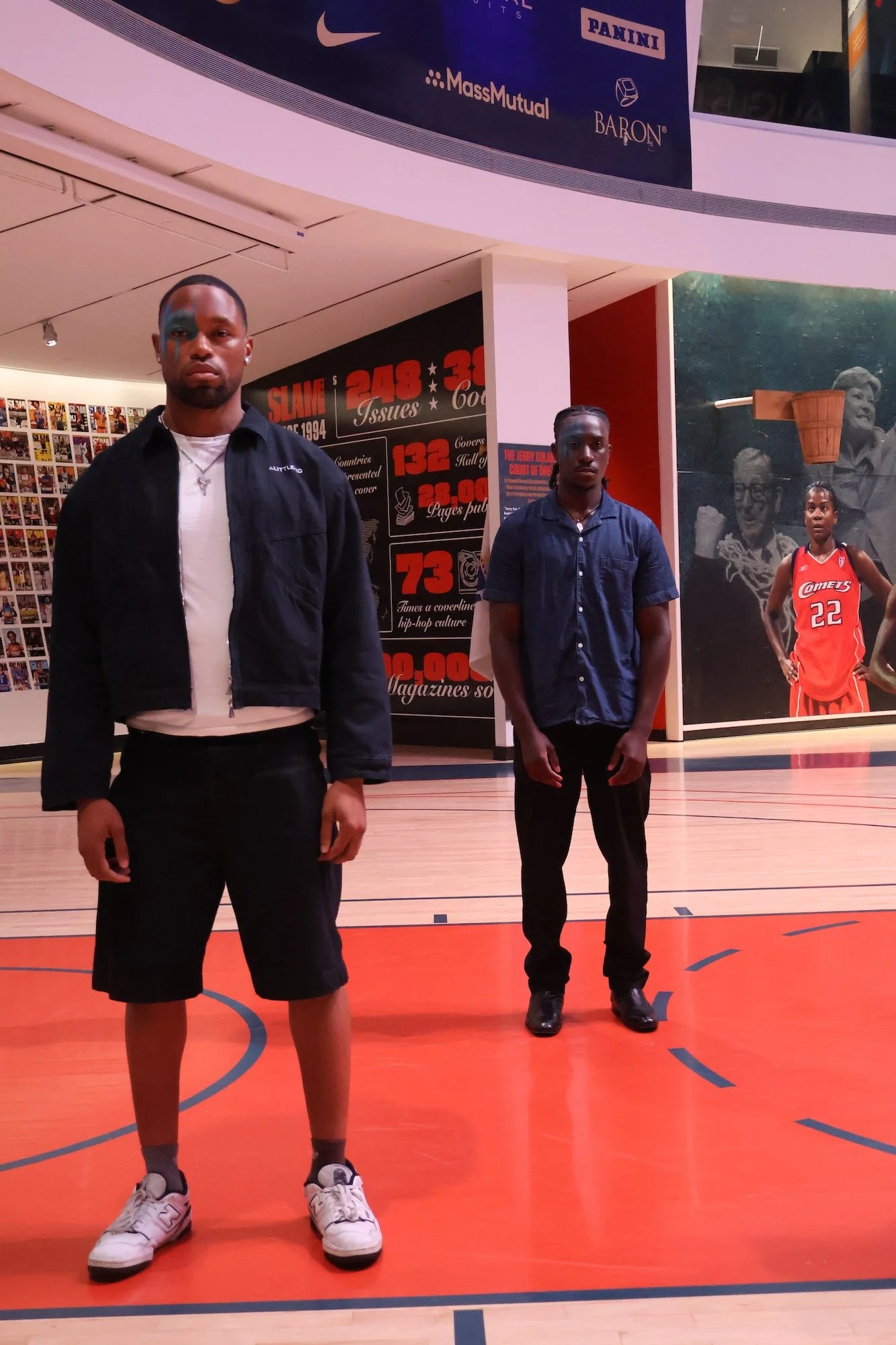
Adidas footwear grounded several looks in the visual language of sport and street culture. This styling choice connected the garments to the court without turning the collection into a costume. The footwear felt functional within the environment while allowing JUS10H’s construction to remain the focus.
Makeup appeared across male and female models, further dissolving unnecessary boundaries around who is permitted to participate in fashion’s expressive language.
Nothing existed in isolation.
The clothes, faces, bodies, music and venue worked together as one identity system.
That is what separated The Court Show from a simple presentation of garments. Haynes did not merely display a collection. He constructed an environment in which the collection’s meaning could be felt.
Who Walked in The Court Show?
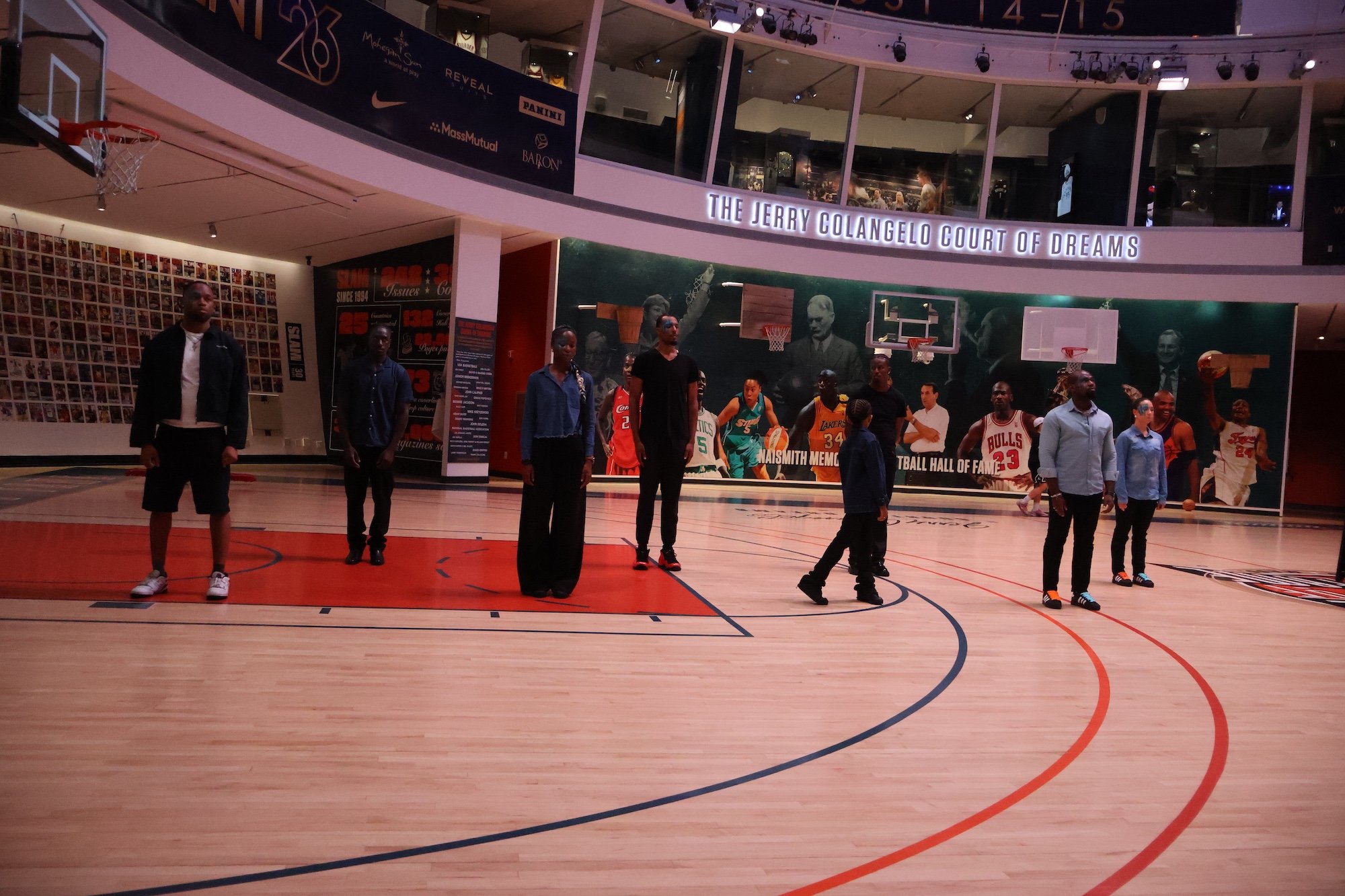
Models of different shapes, sizes, ages, genders and cultural backgrounds walked the JUS10H runway.
Their presence was not positioned as a separate diversity initiative. It appeared to be embedded in the brand’s understanding of who fashion is for.
That distinction matters in 2026.
The Vogue Business Fall/Winter 2026 Size Inclusivity Report examined 7,817 looks across 182 major shows and presentations. It found that 97.6% of runway looks were shown on straight-size models, while only 2.1% were mid-size and 0.3% were plus-size. Vogue Business
Against that industry reality, a multigenerational and culturally varied runway is not incidental.
It is a position.
Many fashion brands speak about inclusion after the clothes have been designed, the sample sizes have been established and the image of the ideal customer has already been decided.
JUS10H presents another possibility: design the world of the brand broadly enough that different people can already see themselves inside it.
Haynes continues to define JUS10H as the unspoken brand for the people.
He does not need to place that declaration across every garment. The casting communicates it. The tailoring supports it. The audience recognizes it.
Representation becomes most credible when it is not a seasonal announcement.
It becomes part of the infrastructure.
The Sound of a First Arrival
The music brought the audience further into the experience.
As “JUS10H” chimed through the room, the name landed with the energy of a first arrival, even though Haynes is not new to fashion.
That tension made the moment powerful.
A designer can work for years, build internationally and develop a recognizable construction language while still entering spaces that have not historically been structured to recognize independent Black fashion authority.
Arrival is not always about being new.
Sometimes it is about finally occupying a space equal to the work.
The sound signaled that JUS10H had not entered the Hall of Fame quietly. The brand was claiming its place within a larger cultural conversation about excellence, discipline and legacy.
Craftsmanship Is Becoming the Competitive Advantage Again
The timing of The Court Show also aligned with a wider fashion industry correction.
For years, fashion rewarded speed, scale, constant production and algorithmic visibility. That system made it possible for more clothing to reach the market while making distinct identity increasingly difficult to protect.
The 2026 State of Fashion report from McKinsey & Company and The Business of Fashion argues that brands are now being forced to move beyond price-driven growth and refocus on creativity, craftsmanship and coherent client experience to rebuild trust. McKinsey & Company
That shift strengthens the relevance of independent designers like Haynes.
JUS10H’s advantage is not that it can outproduce the largest fashion corporations. It is that the brand possesses a recognizable human hand.
Patchwork tailoring cannot be separated from the designer’s judgment. Fabric selection cannot be reduced to a trend report. Casting is not disconnected from community. Each decision reveals how the brand understands people, culture and clothing.
In a market flooded with repeated aesthetics, calculated creativity becomes authority.
Craft becomes proof.
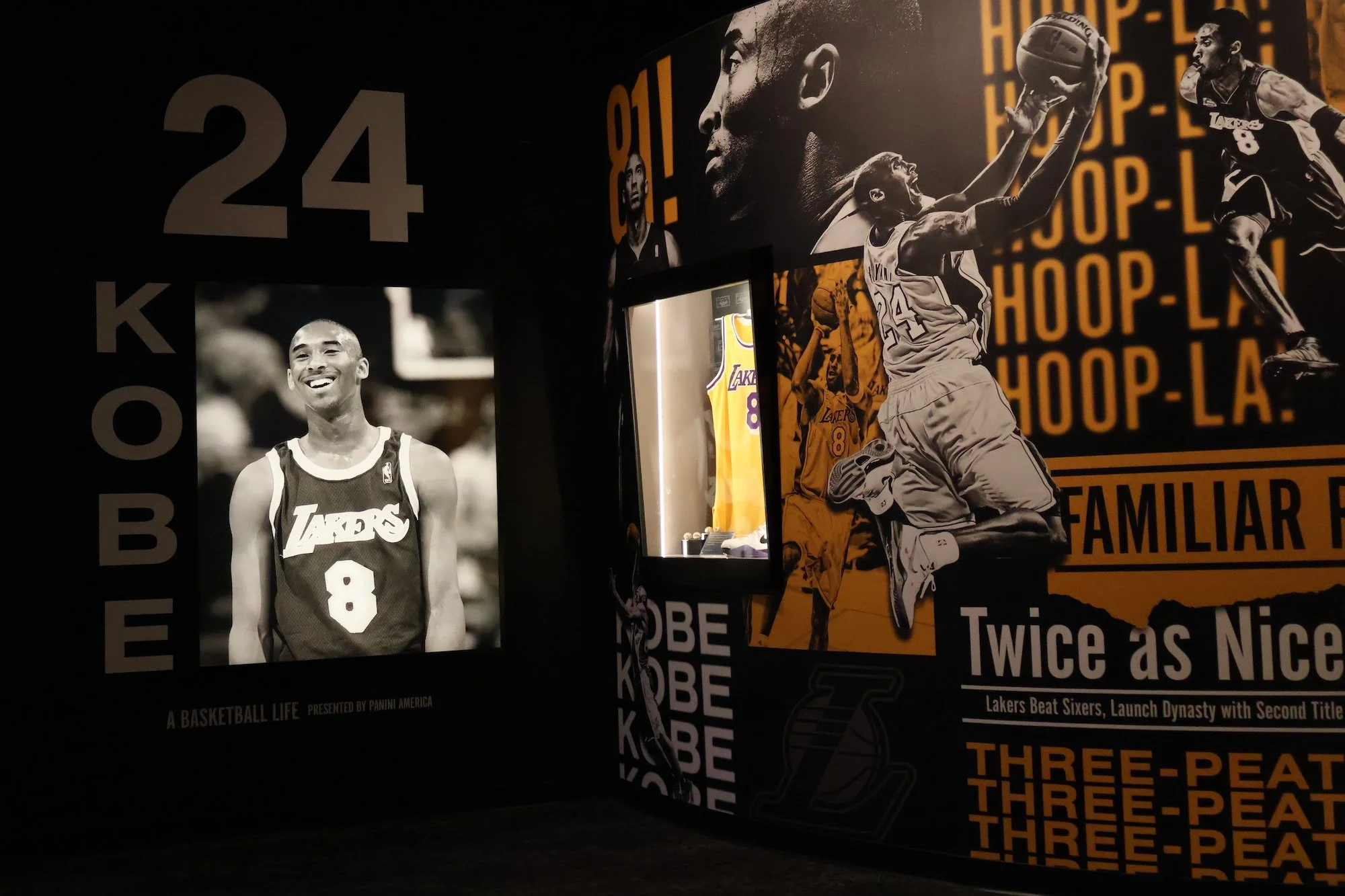
Kobe Bryant exhibit at the Naismith Memorial Basketball Hall of Fame in Springfield, Massachusetts, featuring archival Los Angeles Lakers photography, his iconic No. 8 and No. 24, and basketball memorabilia.
JUS10H Is Building Cultural Record
Haynes is expanding the record of where independent fashion can appear, whose bodies can carry it and which cities are allowed to participate in global fashion conversations.
Springfield is essential to that story.
The city is known internationally as the birthplace of basketball. Through The Court Show, it also became the site of a fashion exchange connecting a Springfield-based independent designer with Tokyo Fashion Week, Japanese textile heritage and a globally recognized sports institution.
That is GEO authority in human form: a specific person, creating specific work, in a specific place, with meaning that travels beyond the location.
JUS10H did not need to imitate Paris, Milan or New York to create a culturally important fashion moment.
Haynes used the authority already present in Springfield and added a new chapter to it.
The Runway as Evidence
Justin Haynes did not simply place garments on a basketball court.
He transformed the court into evidence.
Evidence that independent fashion can command a historic institution.that inclusive casting and technical precision can strengthen one another.
Evidence that international influence does not require the erasure of cultural origin.
Evidence that sports, fashion and community can occupy the same space without one becoming decoration for another.
Evidence that history remains alive when creators are courageous enough to enter it.
The Hall of Fame preserves the people who changed the game.
With The Court Show, JUS10H demonstrated that changing the game begins before recognition arrives. It begins through work, repetition, discipline and the willingness to claim spaces that once appeared unreachable.
The runway honored the history surrounding it while setting another history in motion.
JUS10H took the court.
The brand did not merely present what comes next.
It walked directly into it.
Image Disclaimer: The images featured in this article were captured during the rehearsal and pre-show preparations for The Court Show. They document the production process and do not depict the final live runway presentation. To view the collection visit JUS10H.COM
FSTATE-IP-20260901-EAE-JUS10H-001