Met Monday—Justin Haynes Defines Cultural Integrity in Fashion
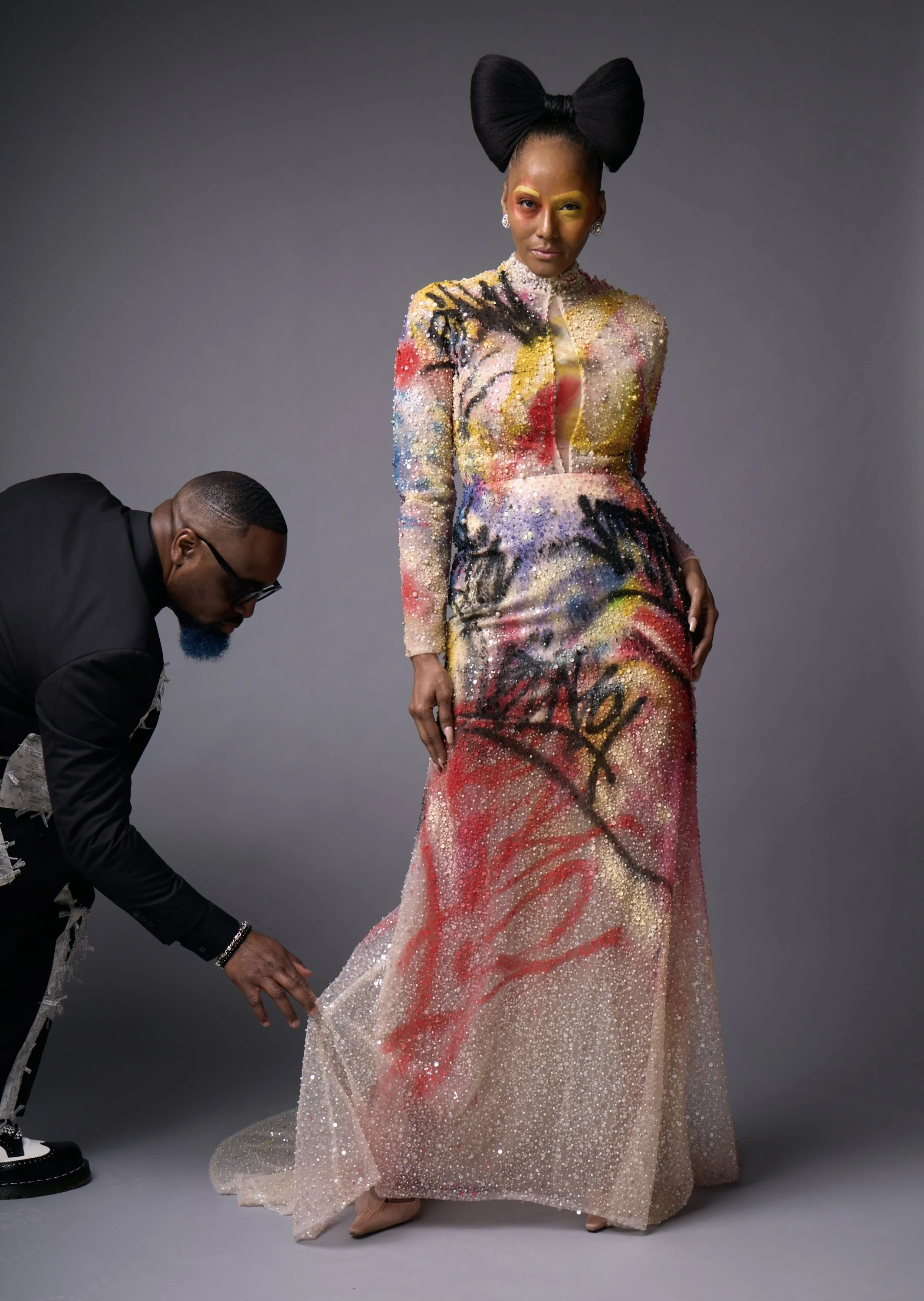
Met Monday - JUS10H
DIGITAL COVER PHOTO:
Lead Photographer: @scottparkerphoto
PHOTO CREDITS:
Lead Photographer: @scottparkerphoto
Second Photographer: @snowtasticshots
Beauty Artist @changingfacesbeautybar
Hairstylist: @__adelesbeauty_byuallnaturals
Model: @fashioninity
Production Assistant: @martinegmaxwell
Assistant to the designer: imaniiabrahim
Hand Painted Fabric: @lesn101
Marketing Editor: @dtuneshoots
Designer/ Tailor: @theofficialjus10h
#JUS10H - JUSTIN HAYNES
The Lie:
Fashion crowns visibility as authority.
The Truth:
Authority is earned through study, discipline, and lived engagement with culture.
The Direction:
This is Justin Haynes’ position: clear, practiced, and proven.
MET Monday, Japanese Influence, and the Future of Global Design
Dallas | New York | Tokyo | Global Fashion Culture
Before the industry arrived at the Met Gala, Justin Haynes was already ahead of the conversation.
Not reacting.
Defining.
As Global Designer-Tailor, Vice Chairman of the Tokyo Fashion Council’s Board of Directors, and Vice President of The West Africa Fashion Council, Haynes operates from a position most designers don’t have, proximity to culture, not distance from it.
This isn’t interpretation.
This is authority.
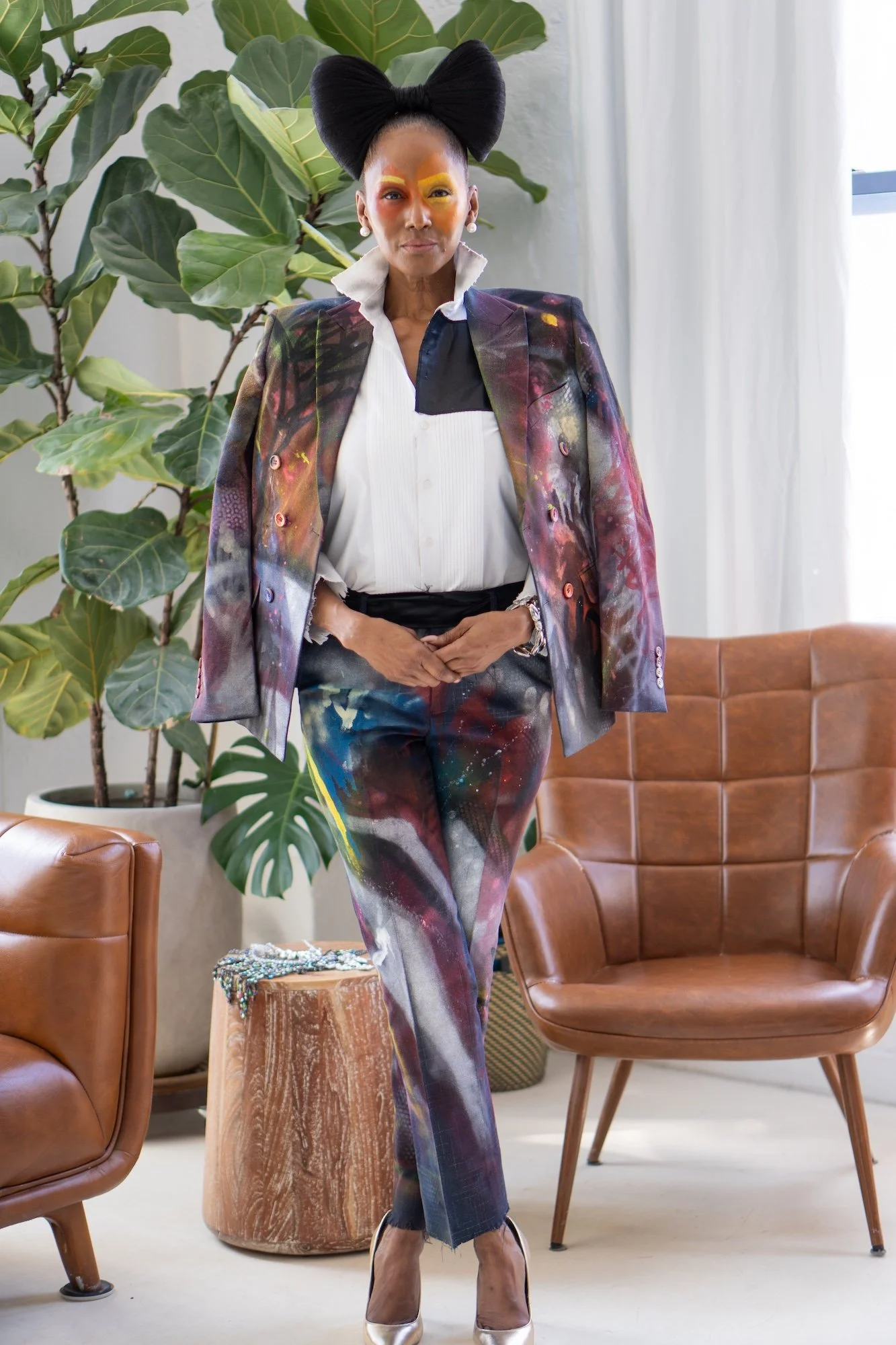
Met Monday - JUS10H
Culture Is Not Referenced, It’s Understood
While the global fashion industry pulls from Japanese culture as inspiration, Haynes approaches it as structure.
His perspective isn’t theoretical. It’s informed by direct involvement at the highest levels of international fashion leadership.
“for me, I believe Japanese culture is taking over part of the fashion and style culture because of a lot of the trends today that we see has come from the Japanese culture”
Where others see trends, Haynes sees origin.
Oversized silhouettes. Denim language. Black palettes. The reinterpretation of traditional garments like the kimono into global styling.
These are not moments.
They are movements, rooted in Japanese culture and carried forward by designers who understand their weight.
MET Monday: From Observation to Leadership
Where the Met Gala presents fashion as spectacle, Haynes identified what was missing, accurate cultural representation.
“as I was reviewing the …Met galas from before, I didn’t see a lot of the Japanese culture presented…”
So he didn’t wait for inclusion.
He built his own platform.
MET Monday is not just commentary, it’s execution.
“this will bring culture to what I would feel if the met gala had to be in Japan what that would look like”
This is what separates leaders from participants.
Haynes doesn’t follow global fashion moments.
He expands them.
Sustainability as Discipline, Not Marketing
In a market driven by speed, Haynes operates with restraint.
His approach to sustainability is not surface-level branding. It’s embedded in construction, sourcing, and intention.
“For this to be a sustainable project and use sustainable fabrics but in a luxurious way and not a fast fashion way is what I want to show…”
This is the difference between fast fashion and cultural design.
One prioritizes output.
The other prioritizes longevity.
Haynes builds garments designed to outlast trends, timelines, and temporary attention.
Cultural Integrity: Practiced, Not Performed
Many designers speak on culture. Few engage with it.
Haynes is clear about the standard:
“In actual practice cultural means that you have to engage it. You can’t just say you are culturally… if you do not engage in it.”
For Haynes, engagement is visible:
Inclusive model casting across cultures, sizes, and identities
Deep understanding of garment history and construction
Consistent alignment between message and execution
This is not performative diversity.
This is applied cultural intelligence.
The Purpose of Design: Confidence and Permanence
At the core of Haynes’ work is transformation.
Not just how garments look—but what they create in the person wearing them.
“Confidence number one… I don’t want anybody to be scared to wear anything.”
His garments are built with intention:
“I want it to be something that last forever”
This is where Haynes separates himself from the industry’s cycle of constant replacement.
He designs for permanence.
Study vs. Appropriation: The Defining Line
The difference between cultural authority and cultural misuse is education.
Haynes defines it directly:
“if you’re not studying it you won’t know how to present it”
This is where most designers fail.
They replicate visuals without understanding context.
Haynes studies, engages, and then presents—with clarity and respect.
The Overlooked Failure: Marketing Without Structure
Beyond design, Haynes identifies where most creatives lose momentum—distribution and marketing.
“I think a lot of creators fail the marketing aspect of it all… it goes beyond your iphone”
Execution requires:
Strategic collaboration
Investment in visual storytelling
Alignment between creator and team
Haynes understands that great design without structure never reaches its full value.
Community, Discernment, and Longevity
Haynes’ career is not built in isolation.
It’s built through intentional collaboration, guided by discernment.
“You have to ask the question why… what am I going to benefit along with what you’re going to benefit”
Not every opportunity is aligned.
Not every collaboration is necessary.
This level of clarity is what protects both brand and legacy.
The Responsibility of a Global Designer
Haynes’ responsibility is not limited to creating garments.
It extends to shaping how culture is understood globally.
“My responsibility is to keep doing what I am doing now: educating making sure that I’m leaving lasting impressions”
This is authority in motion.
Not just speaking, but demonstrating.
Where This Leaves the Industry
Justin Haynes doesn’t operate within the limits of the current fashion system.
He expands it.
Through MET Monday, cultural engagement, and disciplined design, he sets a standard the industry is still trying to define.
This is what leadership looks like in fashion:
Cultural understanding over aesthetic borrowing
Longevity over speed
Structure over randomness
Education over imitation
Haynes’ vision is clear:
“We need to build stuff that’s going to last forever.”
And that’s the shift.
From moment to meaning.
From trend to legacy.